
Dialogue Meeting on Importance of Family and Community based Care
18th March 2025
By Samuel Daka
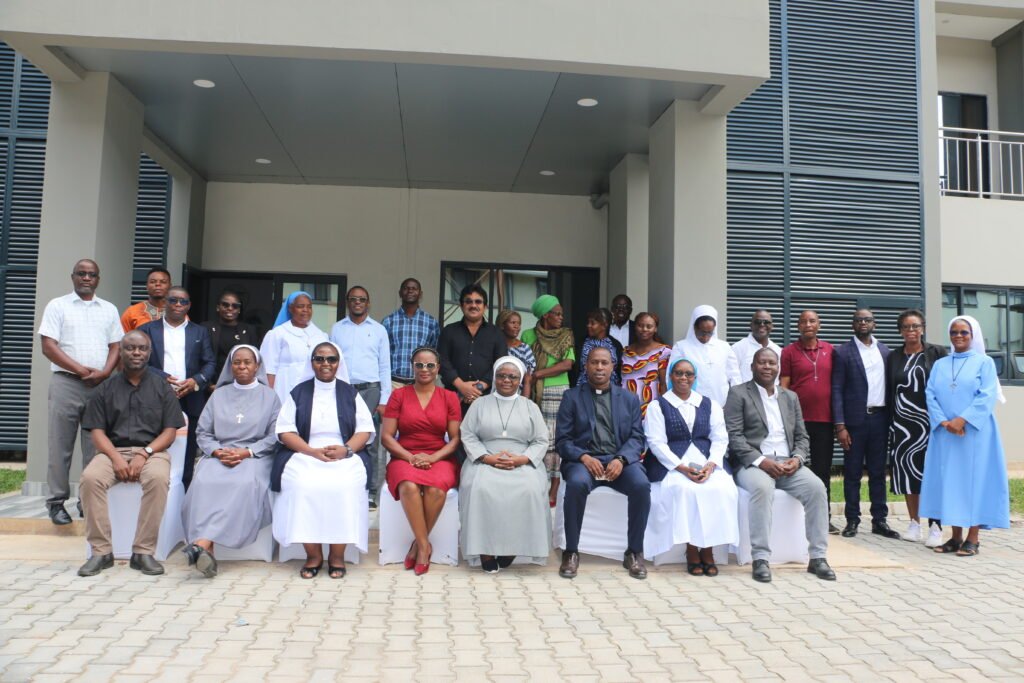
On March 18, 2025, the Catholic Care for Children in Zambia (CCCZ) Project convened a high-level dialogue meeting at the Kalundu Conference Centre in Lusaka, bringing together key stakeholders to reaffirm the importance of family-based care for children. The event attracted members of religious congregations, representatives from the Ministry of Community Development and Social Services, and members of the Children in Families Plus (CIF+) Consortium, including Alliance for Children Everywhere (ACE) Zambia and Catholic Relief Services (CRS).
The meeting, which was streamed live on Facebook, served as a platform for advocacy, learning, and partnership building. It also featured active participation from Catholic-affiliated childcare facilities across Zambia.
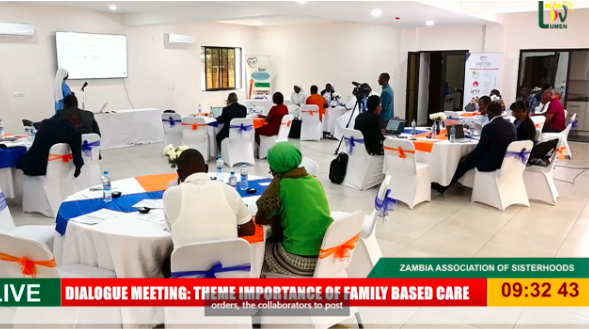
Dialogue Meeting Livestream on Facebook
Rev. Fr. Francis Mukosa, Secretary General of the Zambia Conference of Catholic Bishops (ZCCB), graced the occasion and reaffirmed the Church’s unwavering commitment to promoting the dignity and well-being of every child. He emphasized the critical need to prioritize care models that nurture children within families rather than institutions.
This dialogue aligns with the CCCZ project’s core mission—reintegrating children from institutional settings into safe, loving, and supportive family environments. Funded by the GHR Foundation, the CCCZ project has already reintegrated 111 children across Livingstone, Lufwanyama, Ndola, Kawambwa, and Chilanga districts.
Four Pillars of the Dialogue
The discussions were organized around four key objectives:
- Engaging Participants: Stakeholders explored the transformative benefits of family-based care in promoting children’s well-being, development, and protection in contrast to institutional care.
- Learning and Sharing Best Practices: The forum highlighted successful family-based care models, including foster care, kinship care, and family reunification programs, demonstrating the viability and impact of such approaches.
- Identifying and Discussing Challenges: Participants examined the challenges hindering family-based care, such as policy gaps, limited funding, and deep-rooted societal perceptions, while also proposing practical and context-specific solutions.
- Encouraging Stakeholder Collaboration: Emphasis was placed on multi-stakeholder collaboration, involving policymakers, social workers, faith and community leaders, and caregivers to strengthen child protection systems and influence supportive policy development.
Resolutions and the Way Forward
The dialogue concluded with the adoption of five strategic resolutions to drive momentum for family-based care:
- Promote Awareness and Training: Launch sensitization campaigns and offer caregiver training on reintegration, positive parenting, and the long-term benefits of family-based care.
- Strengthen Family-Based Care Systems: Invest in community readiness to support foster, kinship, and alternative care arrangements—making family-based care the preferred and sustainable option.
- Support Child Reintegration: Equip children with life skills, intensify family tracing and bonding, and transition institutional facilities into community-based rehabilitation centers or emergency shelters.
- Mobilize Resources and Collaboration: Expand resource mobilization efforts through partnerships with government agencies, donors, local leaders, and faith-based organizations to ensure the sustainability of family-based care programs.
- Repurpose Childcare Facilities: Convert existing institutional care homes into community schools, vocational training centers, and safe shelters, guided by the spirit of Ubuntu and inclusivity, particularly for children living with disabilities.
A Renewed Commitment
The CCCZ Project reaffirmed its dedication to sustained advocacy, capacity building, and systems strengthening to ensure every child grows up in a safe, nurturing, and family-centered environment. As echoed throughout the meeting, the shift from institutional care to family-based care is not just a policy priority—it is a moral imperative
ZAS calls for strengthening of efforts towards family-based care
The Zambia Association Sisterhoods participated in the National Catholic Forum held from 15th to 19th December 2025. The Forum brings together all the Bishops of the Zambia Conference of the Catholic Bishop. This is an advocacy and policy engagement platform where the Church discusses emerging issues, policy and governance of the country.
The Theme for the Catholic Forum was the “The Family at Cross Road” and this resonated very well with the Catholic Care for Children project that is promoting Family Based Care. The presentation was aimed at winning the hearts of the Bishops to embrace the call for all Catholic Child Care Facilities (Institution) to charge their model of care and transition their facilities to be offering emergency services.
In responding to the presentation during plenary session the Bishop advised the association to carefully study the situation and treat the issues case by case so that the project does not create more problems than that the Church is already solving by keeping children in the orphanages.